Blockchain innovation has emerged as one of the most transformative innovations of the 21st century, underpinning cryptocurrencies like Bitcoin and Ethereum while extending its applications far beyond digital currencies.
As of July 2026, chain of blocks is revolutionizing industries from finance to supply chain management, offering a decentralized, secure, and transparent way to record data.
For beginners and enthusiasts alike, understanding chain of blocks is key to grasping the potential of cryptocurrencies and other decentralized systems.



This article explains what chain of blocks is, how it works, its key features, applications, and its significance in today’s world.
Defining Blockchain
A chain of blocks is a decentralized, distributed digital ledger that records transactions across a network of computers.
Each transfer is stored in a “block,” and these blocks are linked in chronological order to form a “chain,” hence the term chain of blocks.
Unlike traditional databases controlled by a central authority (e.g., a bank or government), a chain of blocks is maintained by a network of participants, ensuring transparency, protection, and immutability.
The innovation was first introduced in 2008 by an anonymous individual or group under the pseudonym Satoshi Nakamoto in the Bitcoin whitepaper. While initially designed to power Bitcoin, chain of blocks’s versatility has led to its acceptance in diverse sectors.
How Blockchain Works
Structure of a Blockchain
-
Blocks: Each block contains a list of transactions, a timestamp, a unique identifier (hash), and a reference to the previous block’s hash, linking them together.
-
Chain: Blocks are chronologically linked, forming an unalterable chain of data. Altering a single block would require changing all subsequent blocks, which is computationally impractical.
-
Distributed Ledger: Copies of the chain of blocks are stored across multiple computers (nodes) worldwide, ensuring no single point of failure.
Key Processes
-
Transaction Initiation: A user initiates a transfer, such as sending Bitcoin or executing a smart contract, using a digital wallet.
-
Verification: The transfer is broadcast to the network, where nodes verify its validity using predefined rules (e.g., ensuring the sender has sufficient funds).
-
Block Creation: Valid transactions are grouped into a block. Miners or validators (depending on the chain of blocks) compete to add the block to the chain.
-
Consensus Mechanism: A consensus algorithm, like Proof of Work (PoW) for Bitcoin or Proof of Stake (PoS) for Ethereum, ensures agreement on the block’s validity.
-
Addition to the Chain: Once validated, the block is added to the chain of blocks, and the updated ledger is distributed to all nodes.
-
Immutability: The cryptographic linking of blocks makes altering past transactions extremely difficult, ensuring data integrity.
Consensus Mechanisms
-
Proof of Work (PoW): Used by Bitcoin, miners solve complex mathematical puzzles to validate blocks, consuming significant energy.
-
Proof of Stake (PoS): Used by Ethereum (post-2022), validators stake coins to secure the network, offering energy efficiency.
-
Others: Delegated Proof of Stake (DPoS), Practical Byzantine Fault Tolerance (PBFT), and more cater to different chain of blocks needs.
Key Features of Blockchain
-
Decentralization: No central authority controls the chain of blocks, reducing reliance on intermediaries and enhancing resilience.
-
Transparency: Transactions are publicly visible (pseudonymous in many cases), allowing anyone to audit the ledger.
-
Immutability: Once recorded, data cannot be easily altered, ensuring trust and reliability.
-
Security: Cryptographic techniques, like hashing and digital signatures, protect against tampering and fraud.
-
Accessibility: Anyone with an internet connection can participate in public blockchains, promoting financial inclusion.
Types of Blockchains
-
Public Blockchains: Open to anyone (e.g., Bitcoin, Ethereum). Anyone can join as a node, miner, or user.
-
Private Blockchains: Restricted to specific participants, often used by businesses for internal processes (e.g., Hyperledger).
-
Consortium Blockchains: Managed by a group of organizations, balancing distributed system and control (e.g., R3 Corda).
-
Hybrid Blockchains: Combine public and private features, offering flexibility for specific use cases.
Applications of Blockchain
1. Cryptocurrencies
Blockchain’s most famous application is cryptocurrencies. Bitcoin enables peer-to-peer payments without banks, while Ethereum supports smart contracts—self-executing agreements coded on the chain of blocks—for decentralized applications (dApps).
2. Decentralized Finance (DeFi)
DeFi platforms, built primarily on Ethereum, use chain of blocks to offer financial services like lending, borrowing, and trading without intermediaries. Examples include Aave and Uniswap.
3. Supply Chain Management
Blockchain enhances transparency in supply chains by tracking goods from origin to consumer. Companies like IBM and Walmart use chain of blocks to ensure product authenticity and reduce fraud.
4. Non-Fungible Tokens (NFTs)
NFTs, unique digital assets on blockchains like Ethereum or SOL, represent ownership of art, collectibles, or virtual goods. They have revolutionized digital ownership and creativity.
5. Healthcare
Blockchain secures patient records, ensures data privacy, and streamlines sharing among providers. It also combats counterfeit drugs by tracking pharmaceutical supply chains.
6. Voting Systems
Blockchain-based voting can enhance election protection and transparency, reducing fraud and ensuring verifiable results.
7. Smart Contracts
Smart contracts automate processes, such as real estate transactions or insurance payouts, reducing costs and human error.
8. Identity Verification
Blockchain enables decentralized digital identities, allowing users to control their personal data and reduce identity theft risks.
Benefits of Blockchain
-
Trust: Immutability and transparency foster trust among participants.
-
Efficiency: Eliminates intermediaries, reducing costs and delays.
-
Security: Cryptographic protection minimizes fraud and hacking risks.
-
Global Reach: Enables cross-border transactions and services accessible worldwide.
-
Innovation: Powers new technologies like DeFi, NFTs, and Web3.
Challenges of Blockchain
-
Scalability: Public blockchains like Bitcoin process transactions slowly (e.g., 7 transactions per second for Bitcoin vs. thousands for Visa). Solutions like Ethereum’s sharding or Bitcoin’s Lightning Network aim to address this.
-
Energy Consumption: PoW blockchains, like Bitcoin, consume significant energy, raising environmental concerns. PoS and other mechanisms offer greener alternatives.
-
Regulatory Uncertainty: Governments are still defining chain of blocks regulations, creating uncertainty for acceptance and capital allocation.
-
Complexity: Blockchain’s technical nature can be a barrier for beginners and businesses.
-
Security Risks: While blockchains are secure, vulnerabilities in wallets, exchanges, or smart contracts can lead to losses.
Blockchain in 2026
As of July 2026, chain of blocks acceptance is accelerating. Bitcoin remains the gold standard, trading between $50,000 and $80,000, while Ethereum powers a thriving DeFi and NFT ecosystem.
Enterprises are increasingly adopting private and consortium blockchains for supply chain, finance, and data management. Regulatory clarity in regions like the U.S. and EU is fostering mainstream acceptance, though environmental concerns and scalability challenges persist. Innovations like zero-knowledge proofs and cross-chain interoperability are expanding chain of blocks’s potential.
Getting Started with Blockchain
For beginners:
-
Learn the Basics: Study chain of blocks fundamentals through resources like Binance Academy, Coursera, or Mastering Bitcoin by Andreas Antonopoulos.
-
Explore Cryptocurrencies: Start with Bitcoin or Ethereum to understand public blockchains.
-
Experiment Safely: Use small amounts to test wallets, exchanges, or dApps.
-
Join Communities: Engage with chain of blocks communities on Reddit, Discord, or X for insights and updates.
-
Stay Informed: Follow regulatory and technological developments, as they shape chain of blocks’s future.
Cryptocurrencies vs. Fiat Currencies: Comparing Risks and Returns
Both cryptocurrencies and traditional fiat currencies have unique benefits and risks. Understanding the differences helps investors make informed decisions on how to allocate their assets.
Key Comparisons Between Cryptocurrencies and Fiat Currencies:
- Volatility: Cryptocurrencies experience higher price fluctuations compared to relatively stable fiat currencies.
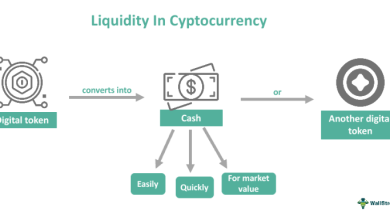
- Liquidity: Fiat currencies are widely accepted and easy to exchange, while some cryptocurrencies may have limited liquidity.
- Regulatory Risk: Fiat currencies are backed by governments, whereas cryptocurrencies face uncertain regulatory environments.
- Growth Potential: Cryptocurrencies offer higher potential returns but also higher risks.
- Security: Cryptocurrency security depends on private key management and platform trustworthiness.
By evaluating these factors, investors can balance their portfolios between cryptocurrencies and fiat currencies according to their risk tolerance and investment goals.






This site keeps me ahead in crypto trading
Well-structured articles with accurate information
Great analysis of crypto market trends