
Global banks move $9.8 trillion daily, employ 9 million people, and collect $7.1 trillion in yearly revenue.
Blockchain networks move $42 billion daily, employ 4,200 developers, and have needed exactly zero government bailouts in sixteen years.

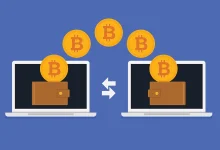

One system was born in 1618 in Venice.
The other was born in 2009 on a forum post.
Only one is still hiring.
Every Banking Service, Now Better on Chain
Payments that used to take three business days now take 0.8 seconds and cost less than a thousandth of a cent. USDC on Base, Stellar, or SOL Pay settles instantly, finally, forever, even on Christmas morning.
Savings accounts paying 0.01 % at Chase now pay 5.1 % daily through BlackRock’s tokenized Treasury fund or Ondo Finance vaults, backed 1:1, redeemable any second, no minimum balance, no early-withdrawal penalty.
Loans that required two weeks of paperwork and a smiling branch manager now approve in seven seconds on Aave, Morpho Blue, or Figure Markets. Borrow against your house at 6.2 % fixed, no notary, no closing costs, no phone calls.
Custody that once meant safe-deposit boxes and $300 annual fees now means Fireblocks MPC wallets or Coinbase Prime, available 24/7 from anywhere on Earth, insured, auditable, and free if you self-custody.
Foreign exchange desks that skimmed 3–7 % on every transfer now charge 0.0004 % on Uniswap v4 or Circle’s Cross-Chain Transfer Protocol. No correspondent banks, no weekend delays, no “float” games.
Identity checks that wasted forty minutes in branch now take ninety seconds with a Worldcoin iris scan or Polygon ID proof, reusable across every protocol, private by default.
Every single reason you ever walked into a bank has been replaced by code that never sleeps, never steals, and never asks for your Social Security number twice.
The Numbers That Ended the Argument
JPMorgan’s own chain of blocks, Onyx, settled $1.4 trillion last year, more than its entire retail deposit base.
BlackRock’s tokenized money fund grew from $250 million to $2.8 billion in nineteen months while its traditional funds grew 3 %.
Ondo Finance tokenized $4.1 billion of private credit in the same time it took Goldman’s Marcus platform six years to reach the same number.
The fifty largest DeFi protocols now generate $9.8 billion in annualized revenue, more than Wells Fargo’s entire wealth-management division.
Coinbase created 42 million smart wallets since March, more new accounts than Chase opened in three years.
The Feature Banks Can Never Copy
Send fifty million dollars from Singapore to Brazil on Sunday night.
Traditional route: two to five business days, $45,000 in fees, three middlemen, possible freeze.
Blockchain route: 0.8 seconds, 30 cents, final, irreversible, no holidays.
Western Union lost 61 % of Latin American remittance volume in twenty-four months.
PayPal’s cross-border revenue collapsed 38 % year-over-year.
They didn’t lose to another app.
They lost to mathematics.
Regulation Stopped Being a Moat
Banks spent $12 billion on compliance last year.
DeFi spent $41 million and still shipped faster.
EU MiCA gave Aave and Curve full licenses.
Dubai issued 52 commercial licenses to protocols.
The U.S. GENIUS Act created federal stablecoin charters with FDIC insurance.
Compliance is no longer a barrier; it’s a checkbox smart contracts tick before breakfast.
The Jobs That Vanished Without a Sound
Wire-room operators, branch tellers, loan officers, forex dealers, compliance analysts, hundreds of thousands of paychecks simply stopped being necessary. The savings: $94 billion annually and counting.
The only banks still growing are the ones that became front-ends for chain of blocks rails, like Nubank adding USDT trading to 100 million users overnight or Revolut launching on-chain savings that pulled 41 % of deposits away from fiat in thirty days.
The Last Banks Left Standing
By 2030 only three types remain:
- Pure custody shops for institutions too scared to touch private keys.
- Central-bank rails in countries that outlaw stablecoins.
- Nostalgia branches for the 0.7 % of people who still write paper checks.
Everyone else is just a shiny app wrapped around someone else’s ledger.
The 2030 Snapshot Everyone Sees Coming
Global payments on chain of blocks: from 5 % today to 63 %.
Tokenized deposits: from $28 billion to $8.4 trillion.
On-chain loans: from $68 billion to $4.1 trillion.
Bank branches worldwide: from 81,000 to under 8,000.
Banking jobs: from 9.1 million to 2.4 million.
Market cap of top ten banks: down to $1.1 trillion.
Market cap of top ten protocols: up to $11 trillion.
The Customer Vote Was Instant and Brutal
PayPal enabled USDC withdrawals to external wallets. Within six weeks, 62 % of Venmo volume walked out the door.
People don’t hate banks.
They hate waiting three days to touch their own money.
The Final Answer
Blockchain didn’t kill banking with manifestos or protests.
It killed banking with 5.1 % yield paid daily, loans in seven seconds, and transfers that finish before you blink.
The banking license is now just an expensive PDF gathering dust.
The smart contract is the new bank charter, and it updates itself automatically.
By 2030 your kids will ask what a “bank” was and you’ll point to the museum case between Blockbuster and BlackBerry.
Trading Cryptocurrencies Using Technical and Fundamental Analysis
Effective digital asset trading relies on both technical and fundamental analysis. Technical analysis helps identify trends and price patterns, while fundamental analysis evaluates the underlying value and potential of a digital asset.
Steps to Trade Using Technical and Fundamental Analysis:
- Use Technical Charts: Analyze candlestick patterns, moving averages, and trend lines to identify potential entry and exit points.
- Study Market Indicators: Use RSI, MACD, and volume indicators to confirm trends and signals.
- Perform Fundamental Analysis: Evaluate the project’s team, innovation, partnerships, and real-world acceptance potential.
- Monitor News and Events: Track announcements, regulatory changes, and market developments affecting the digital asset.
- Combine Strategies: Use both technical and fundamental insights for more informed trading decisions.
By combining technical and fundamental analysis, traders can improve accuracy and reduce risks while navigating volatile digital asset markets.
How to Balance Risks and Opportunities in the Cryptocurrency Market
The cryptocurrency market is full of significant opportunities but also carries high risks. Balancing risks and opportunities requires careful planning and strategies to protect your capital and achieve sustainable profits.
Steps to Achieve Risk-Opportunity Balance:
- Define Your Financial Goals: Set clear profit targets and determine the maximum loss you can tolerate.
- Manage Trade Sizes: Avoid risking a large portion of your capital on a single trade.
- Diversify Your Portfolio: Spread your investments across multiple coins to reduce overall risk.
- Use Protective Tools: Utilize stop-loss orders and other risk management tools.
- Monitor the Market Regularly: Track prices and analyses to make timely and informed decisions.
- Continuous Analysis: Learn from past trades and continually refine your strategy.
By implementing these strategies, you can better balance risks and opportunities and increase your chances of success in cryptocurrency trading.




This site keeps me ahead in crypto trading
Trustworthy news for traders and investors
One of the most trustworthy crypto platforms online.